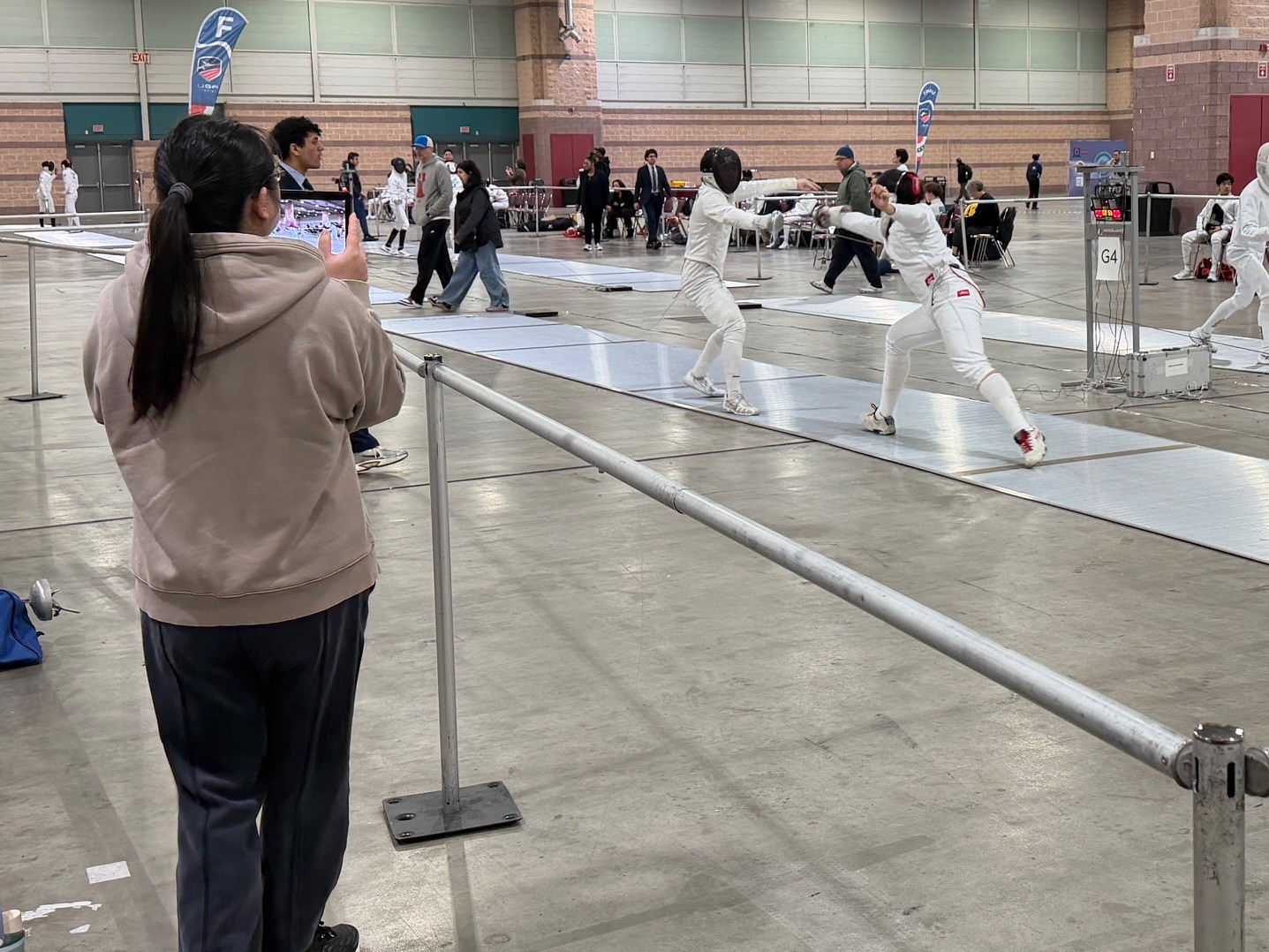
I’ve spent the last two days at the Absolute Clash in Atlantic City. Like most fencing parents, there’s a lot of time between bouts. Enough time to watch not just the fencing, but the parents.
Individual sports create a different dynamic. There’s no bench. No teammates to diffuse pressure. It’s just your kid, a strip, and a scoring machine. And over time, you start to notice that parents develop their own styles of support.
Here are six fun archetypes I’ve seen. Most of us rotate between them depending on the day.
1. The Tactical Coach
This parent analyzes every touch. Quiet commentary between bouts. Suggestions on distance, timing, preparation. They are deeply invested and trying to help. Sometimes the advice lands. Sometimes the kid just needs water.
2. The Zen Supporter
Calm and steady. “Have fun.” “Nice effort.” Minimal reaction. They look relaxed even in close bouts. Their presence lowers pressure, even if it can appear quiet from the outside.
3. The Emotional Rollercoaster
Every touch is felt. Leaning forward. Big reactions. Celebrations and frustrations in real time. The passion is genuine and contagious. The risk is that kids feel every swing.
4. The Logistics Manager
Running the operation. Snacks, schedules, armory visits, strip assignments. They keep the day organized so the athlete can focus. Sometimes they are so busy managing that they forget to just watch.
5. The Social Connector
Knows everyone. Builds friendships. Shares stories, travel tips, and upcoming events. They help make tournaments feel like a community, not just a competition.
6. The Silent Strategist
Quiet observer. Watches patterns. Says very little. After the bout, offers one or two precise comments. Balanced and thoughtful.
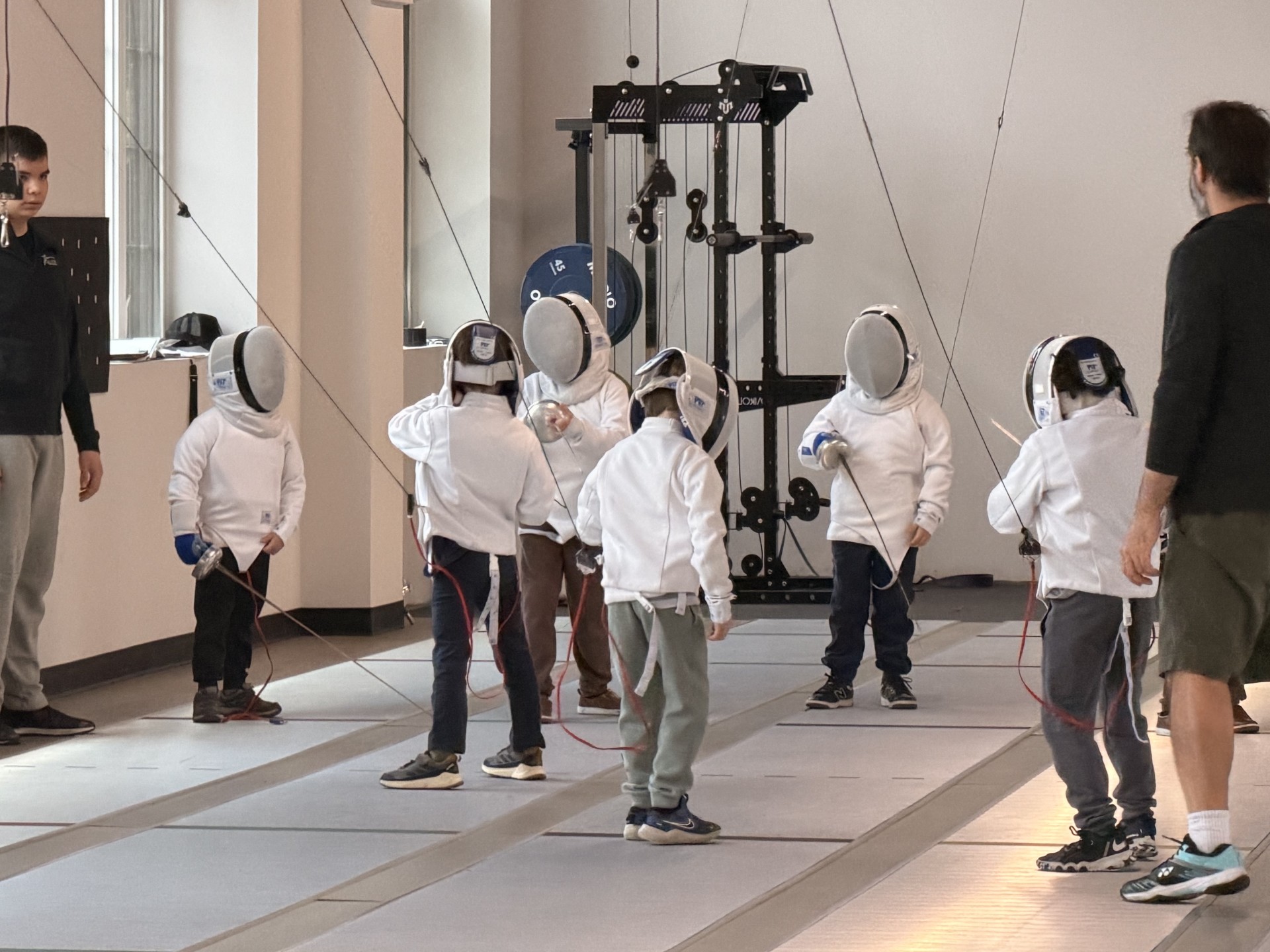
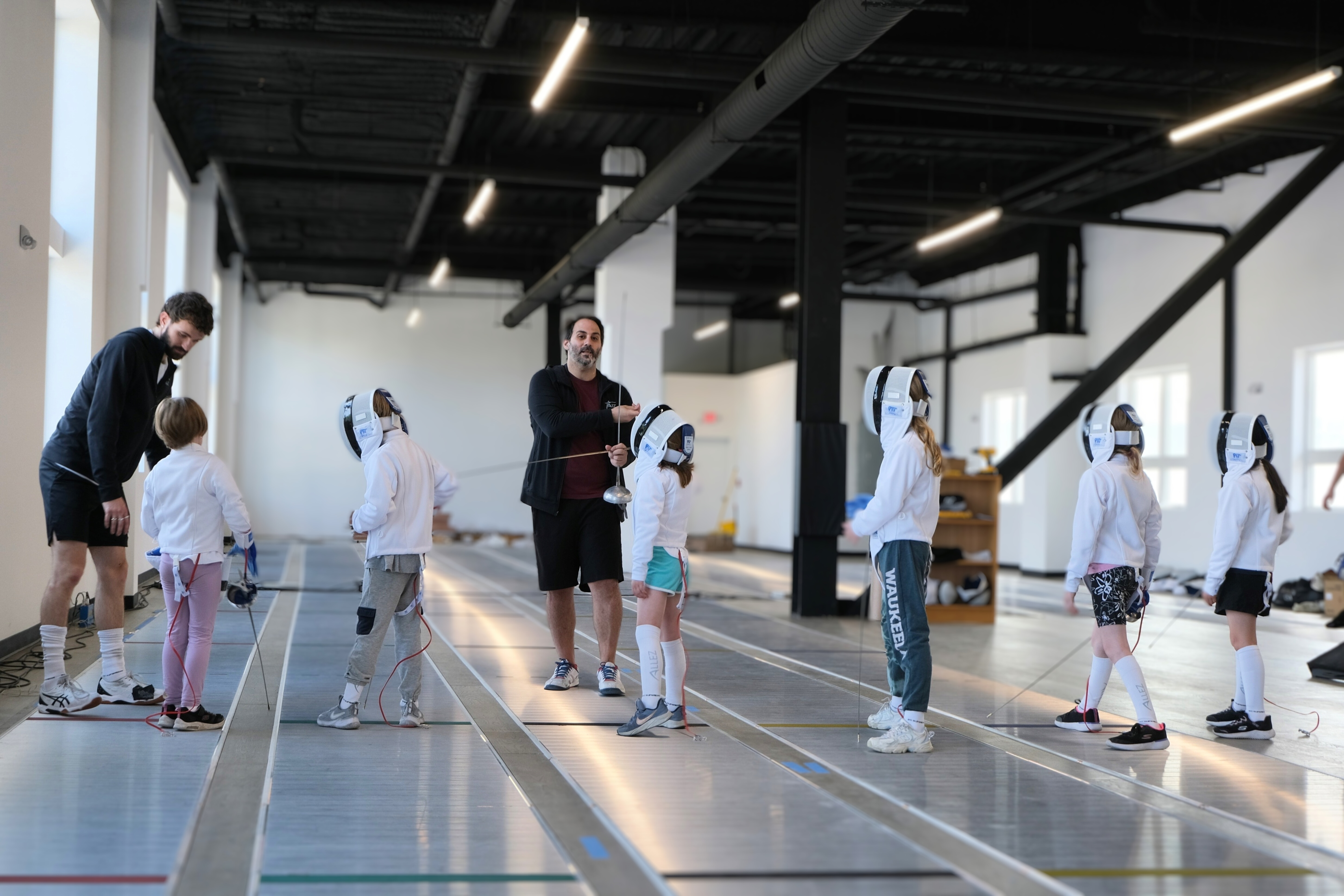
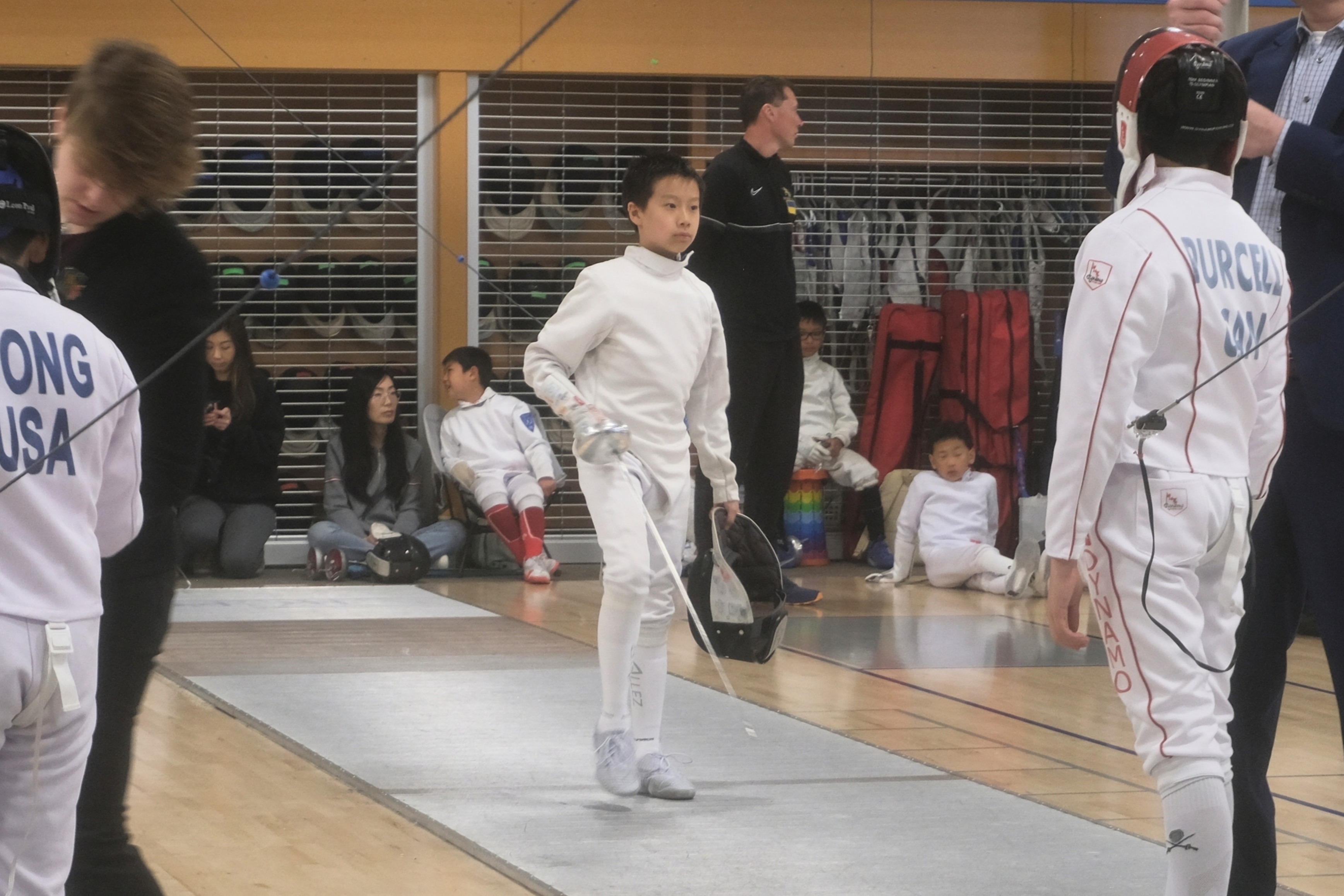
These differences show up most in youth fencing. Y10. Y12. Even early Y14. Parents are still figuring it out. Trying to decode the sport. Trying to understand how much to say, when to step in, and when to step back.
Then something changes.
By the time you get to Cadet and Junior events, the archetypes start to converge. The sideline coaching gets quieter. The emotional swings soften. Parents watch more and talk less. The support becomes more subtle.
Teen fencers start owning their routines. They warm up on their own. They process bouts independently. They talk to coaches. They stop looking back at the stands as often. And parents, intentionally or not, shift roles.
And I’ve started to notice something else. Kids often drop off when parents don’t evolve.
Individual sports require ownership. If parents stay in “youth mode” too long, constantly directing, correcting, and managing, the athlete never fully takes control. At some point, it can stop feeling like their sport and start feeling like something they’re doing for someone else.
That’s when motivation can change.
From intrinsic to external.
From curiosity to expectation.
From excitement to pressure.
Parents who stay in the sport tend to adapt. They step back. They trust more. They let the athlete problem solve. The support becomes quieter but stronger.
The Tactical Coach becomes more of a listener.
The Emotional Rollercoaster becomes steadier.
The Logistics Manager hands over responsibility.
The Social Connector gives space during bouts.
The Zen Supporter looks wiser with time.
The Silent Strategist… was already there.
Maybe the real progression isn’t just the kids developing as athletes. It’s the parents developing as supporters.
In youth fencing, parents help kids navigate the sport.
In teen fencing, kids need parents who help them navigate themselves.
And the hardest move in that transition is not learning more about fencing. It’s learning to let go just enough.
Full disclosure: I’m writing this as a fencing parent who is still learning and evolving myself.