If you fence long enough, you will get there.
Fourteen–fourteen.
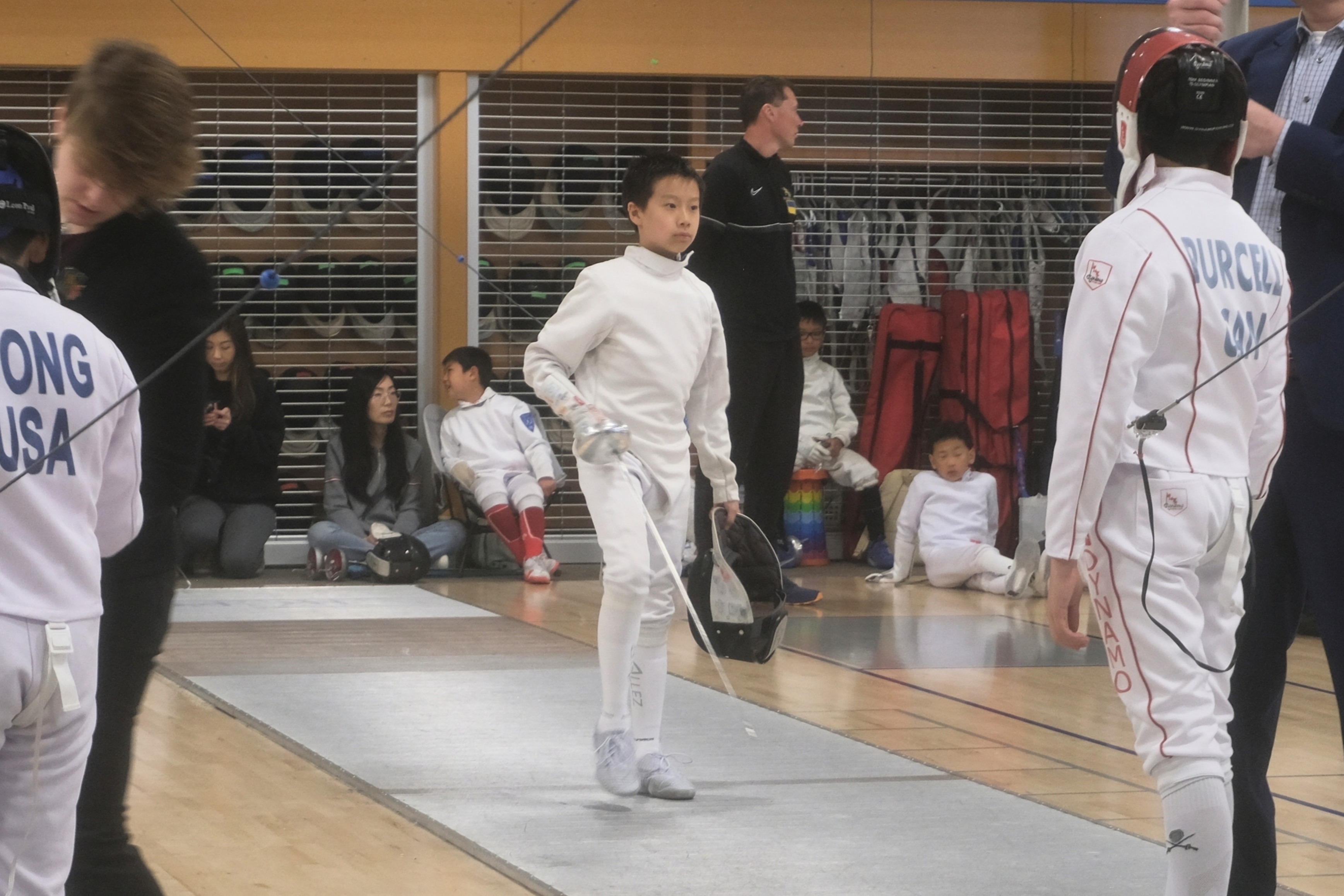
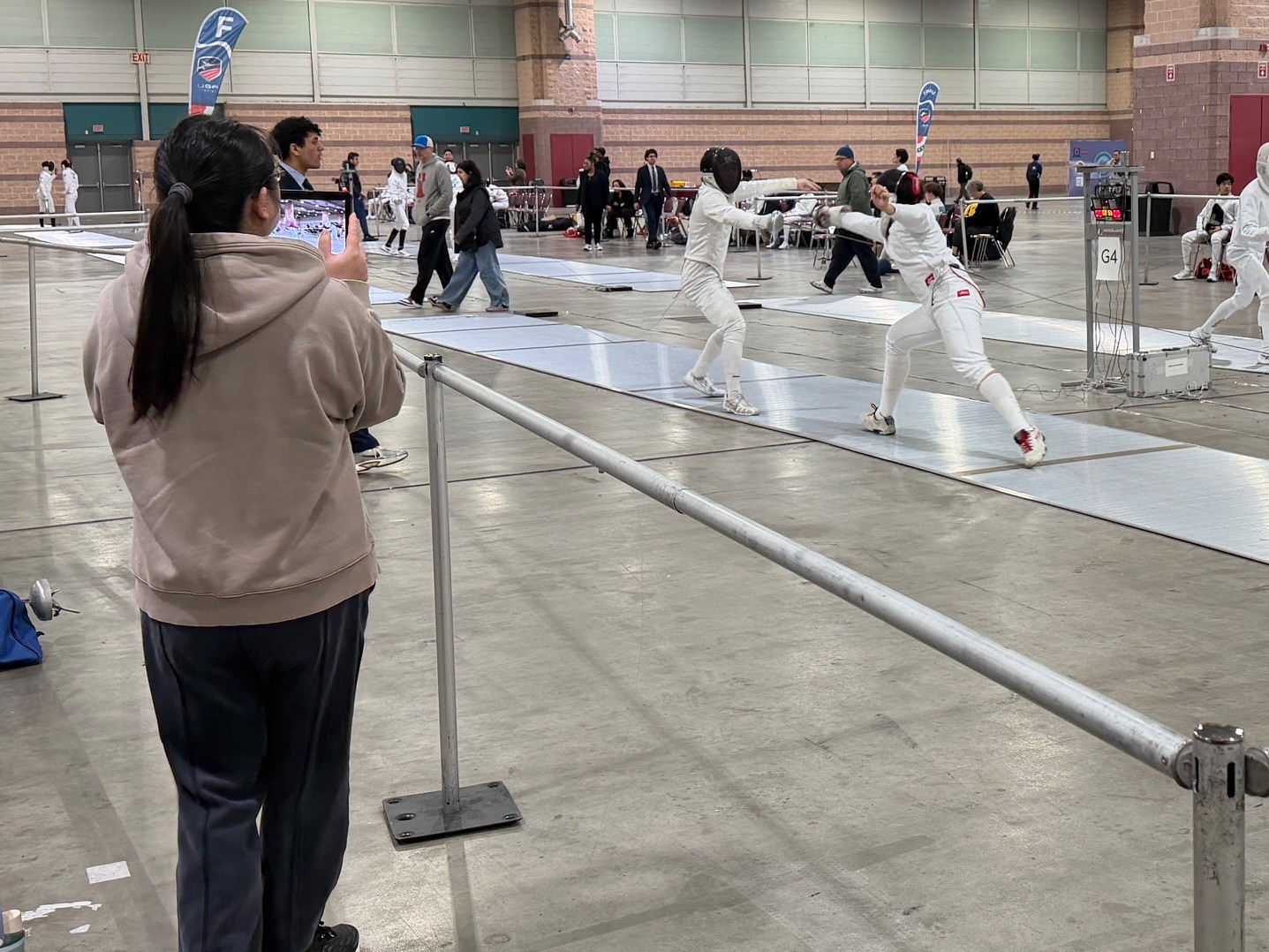
One touch left. No cushion. No room for hesitation. Just you, your opponent, and a strip that suddenly feels very small.
For many young athletes, especially in Y14, this is the first time sport becomes fully psychological. Behavioral science helps explain why this moment feels different and what separates the fencer who closes from the one who tightens.
The Physiology of Pressure
At 14–14, heart rate rises, breathing shortens, and muscle tension increases. This is not weakness. It is stress physiology.
Recent sport psychology research shows that acute competitive stress narrows attention and impairs decision accuracy unless athletes have trained coping responses under similar conditions. Stepanyan and Lalayan 2024 examined stress resilience and decision making in competitive athletes and found that higher stress levels reduced cognitive flexibility and increased error rates in time pressured tasks.
Similarly, Hufton and colleagues 2024 conducted a meta analysis on performance under pressure and found that anxiety disrupts attentional control and execution precision when athletes lack practiced regulatory strategies.
In fencing terms, the hand becomes mechanical and the footwork loses fluidity. The athlete who has rehearsed pressure recognizes the sensation and regulates it. The one who has not may rush or freeze.
Emotion Regulation Under Competitive Stress
Pressure is not only cognitive. It is emotional.
A 2025 study in Sports by Regborn and colleagues found that adaptive emotion regulation strategies such as cognitive reappraisal were associated with better psychological functioning and more stable performance in young elite athletes. Maladaptive strategies such as rumination were linked to performance volatility.
This matters at 14–14. If a fencer interprets physiological arousal as danger, motor control suffers. If they interpret it as readiness, execution stabilizes.
Jamieson and colleagues have shown in prior work that reframing stress responses as functional improves cardiovascular efficiency and performance outcomes. Recent sport specific research continues to support this principle.
Composure is not personality. It is trained interpretation.
Decision Making When It Matters
At tied scores, working memory is strained. Stress consumes cognitive bandwidth.
A 2024 article in Frontiers in Psychology examined choking susceptibility and mental toughness in competitive athletes. The researchers found that higher competitive pressure correlated with increased state anxiety and performance disruption, particularly in athletes who relied on outcome focused thinking.
Under pressure, complex tactical trees collapse. The athlete who tries to consider five options often hesitates. The athlete who commits to one clear decision preserves cognitive resources.
Simple plans survive cognitive load. Overthinking does not.
Resilience and Clutch Execution
Research published in Scientific Reports in 2025 explored competitive pressure, resilience, and anxiety regulation. Athletes with higher resilience scores maintained better execution accuracy under pressure, mediated by stronger emotion regulation capacity.
This reinforces a key coaching insight. The final touch does not belong to the athlete who avoids stress. It belongs to the athlete who metabolizes it.
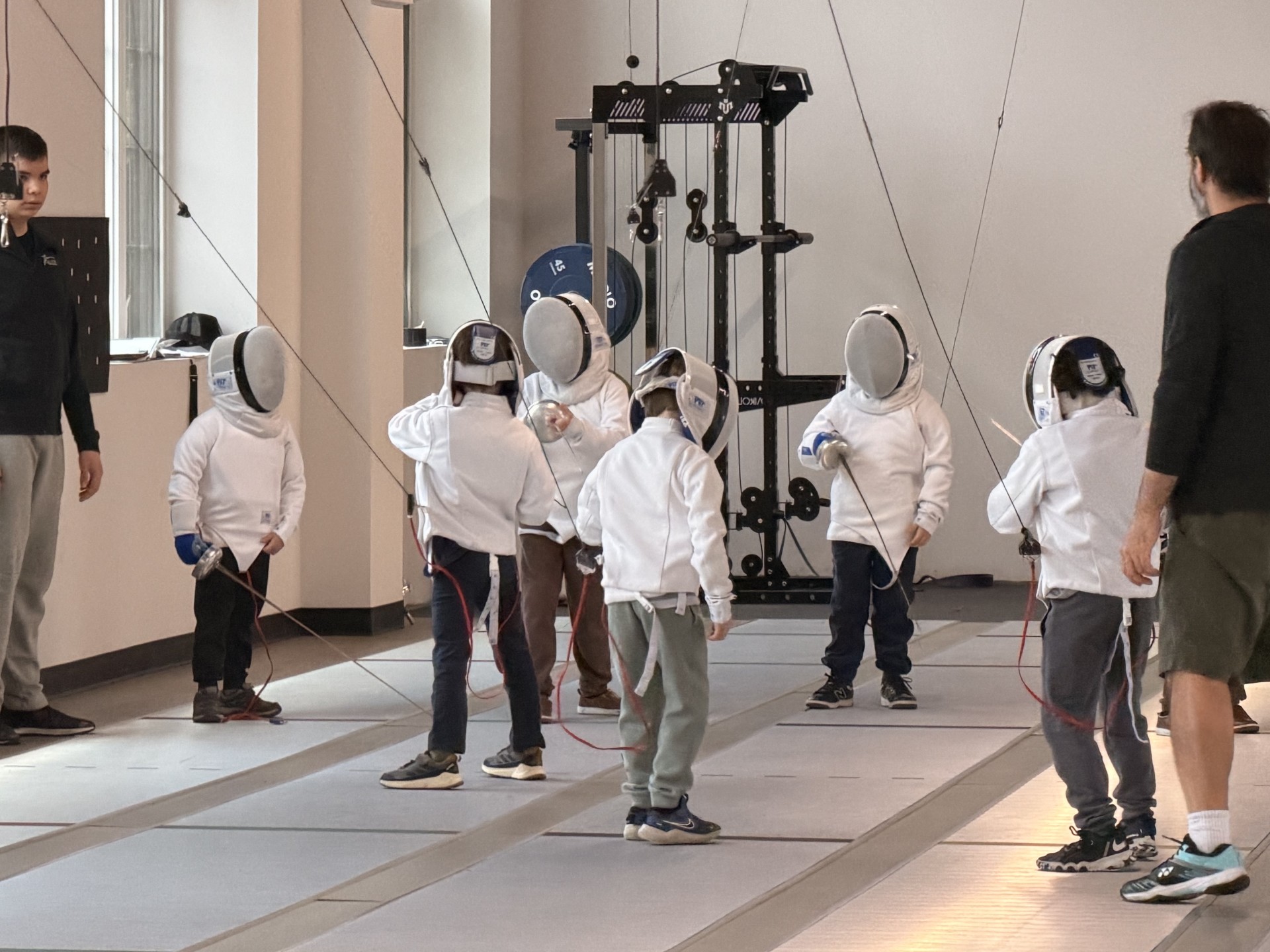
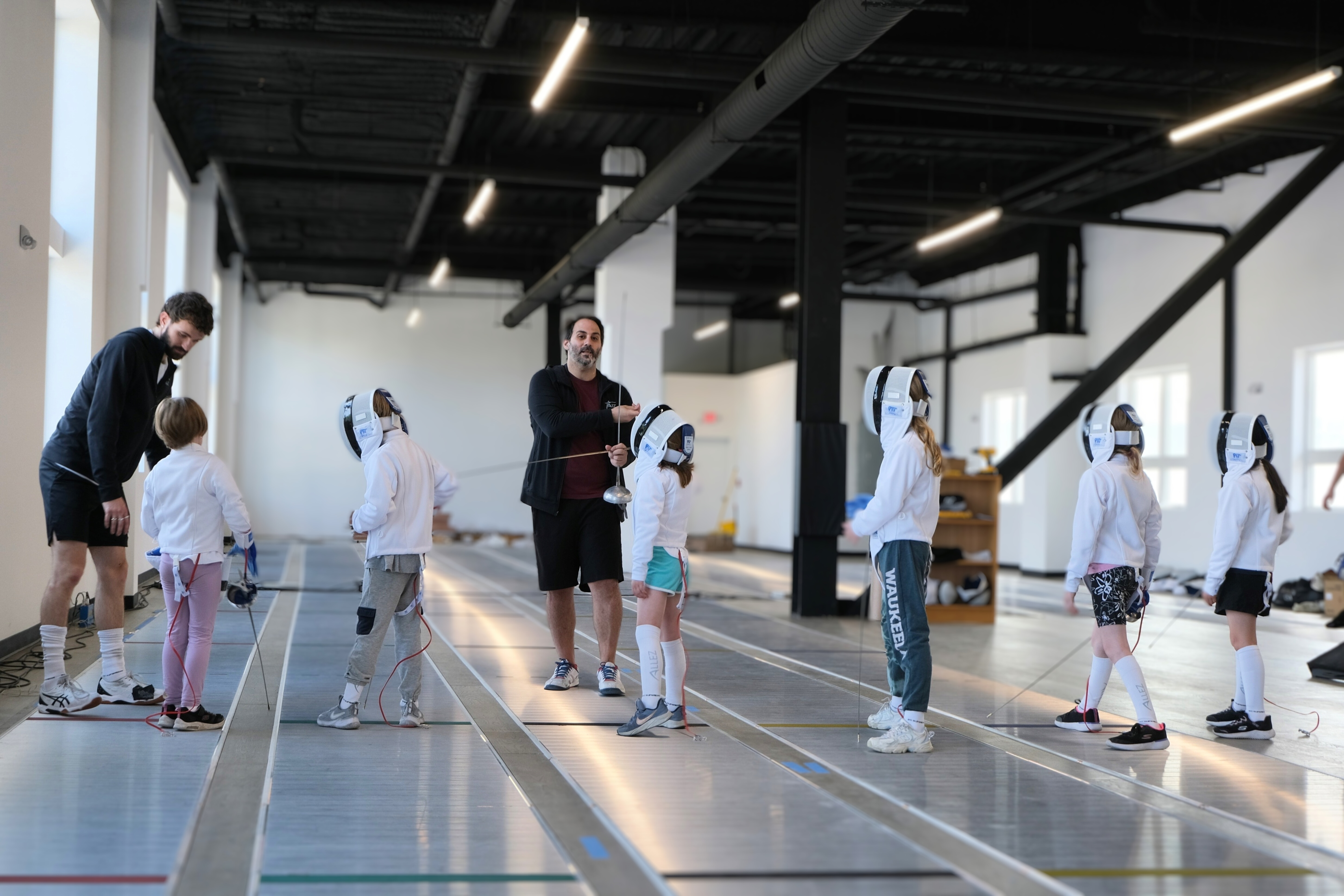
Training environments that simulate high stakes scenarios improve transfer of execution under real competitive stress. Exposure builds familiarity. Familiarity reduces threat interpretation.
The Meaning of 14–14
For adolescents, pressure intersects with identity.
How a young athlete interprets 14–14 shapes development. If the moment becomes evidence of not belonging, confidence contracts. If the moment becomes evidence of growth, confidence expands.
Research on stress appraisal continues to show that interpretation determines performance impact. Pressure is not inherently destructive. It is psychologically mediated.
At 14–14, the athlete confronts several questions.
Can I regulate my physiology in real time
Can I simplify under cognitive load
Can I trust my preparation
Can I act decisively without certainty
These are not just fencing skills. They are leadership skills.
Final Thought
People remember who won the bout.
Behavioral science suggests the deeper transformation happens in the seconds before the final action.
Fourteen–fourteen is a stress test of regulation, identity, and decision clarity.
If we coach it intentionally, that single touch becomes more than a result. It becomes training for how to perform when it matters.
Selected Recent References
Stepanyan, L., and Lalayan, G. 2024. Stress resilience and decision making under pressure in competitive sports. Georgian Medical News.
Hufton, J. R., et al. 2024. Performance under pressure in sport. International Journal of Sport Psychology.
Regborn, F. F., et al. 2025. Emotion regulation and mental health in young elite athletes. Sports.
Thiessen, B. 2024. Mental toughness and choking susceptibility in athletes. Frontiers in Psychology.
Li, Y. 2025. Competitive pressure, resilience, and anxiety in sport performance. Scientific Reports.